
Zero trust, explained by practitioners.
Strategy, domains, architecture, maturity, standards, analysts, and vendor ecosystems — a vendor-neutral knowledge base maintained by the engineers who build zero trust environments.
Start anywhere.
What is Zero Trust?
The purpose of the knowledge base, a working definition, and the history of zero trust from the Jericho Forum to today.
Strategy
Why zero trust, the security-versus-productivity trade-off it eliminates, and the principles that frame the journey.
Domains
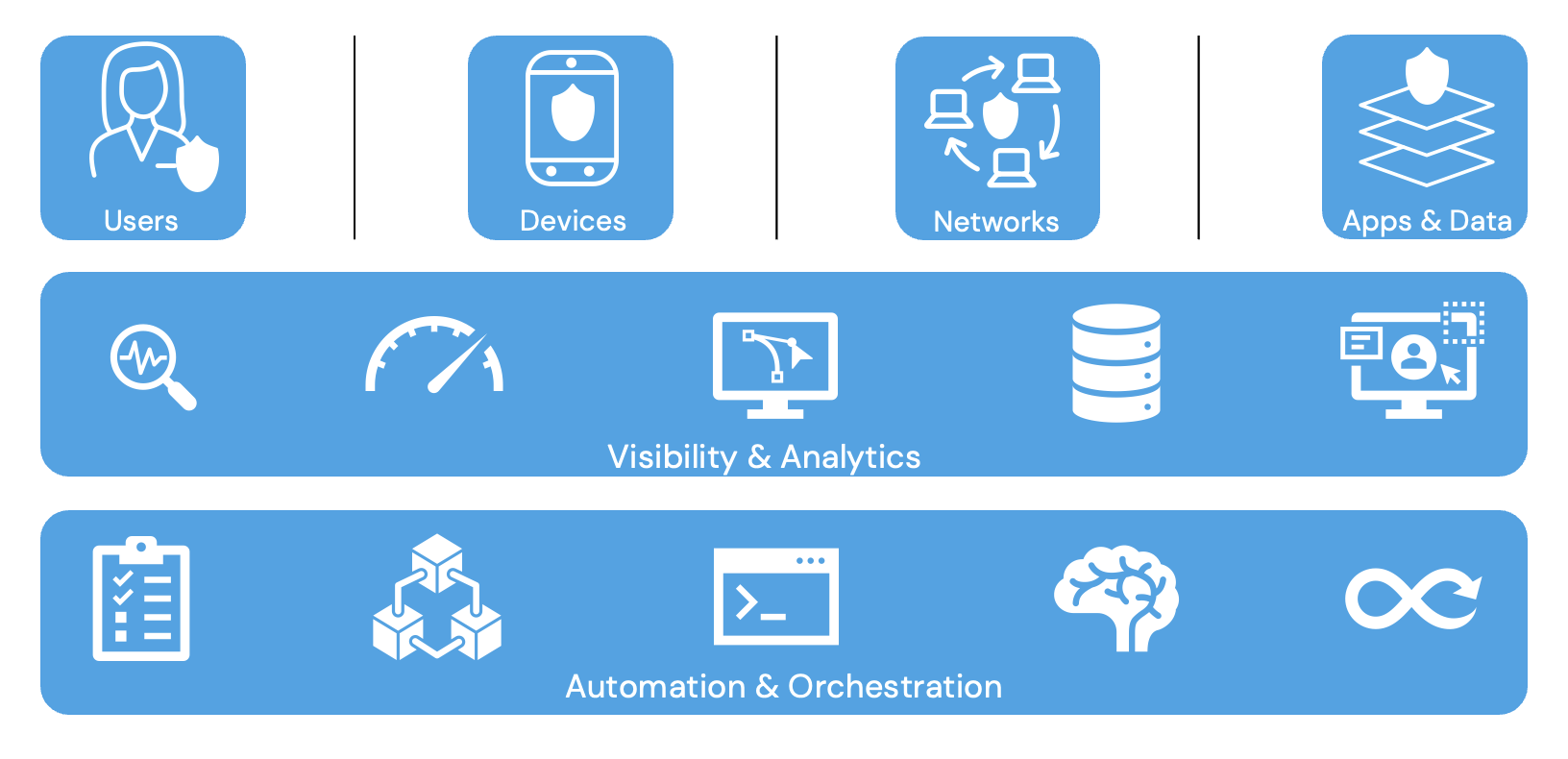
The pillars of zero trust — users, devices, networks, apps and data — and how they interlock.
Architecture
Reference architectures and the components that enforce policy in a zero trust environment.
Maturity
Maturity models and how to measure progress from traditional perimeter security to optimal zero trust.
Standards
NIST, CISA, DoD, UK NCSC, and open standards — what they say and how they differ.
Analysts
How Gartner and Forrester define, score, and forecast the zero trust market.
Vendors
Zero trust capabilities across Cisco, Microsoft, Google, Palo Alto Networks, and Zscaler.
How we map zero trust.
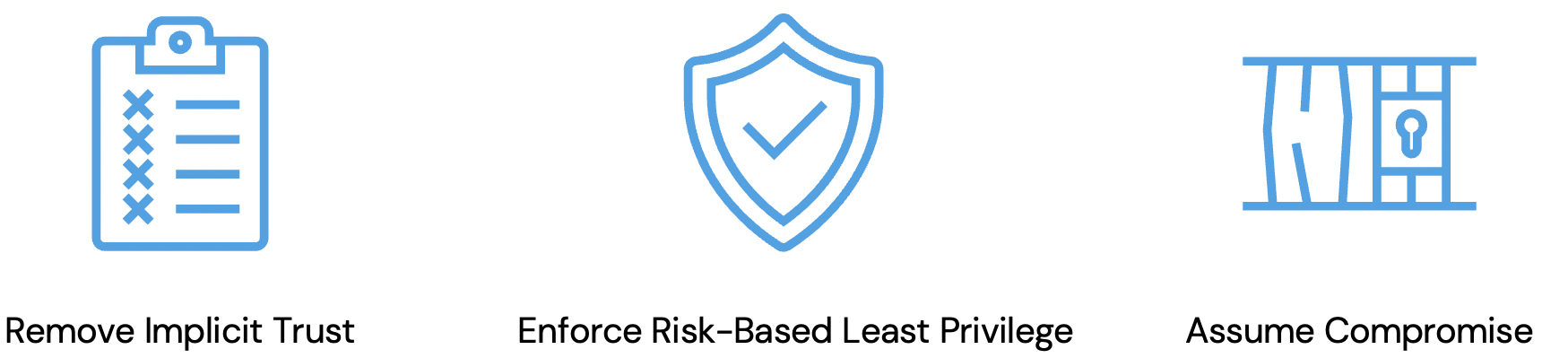
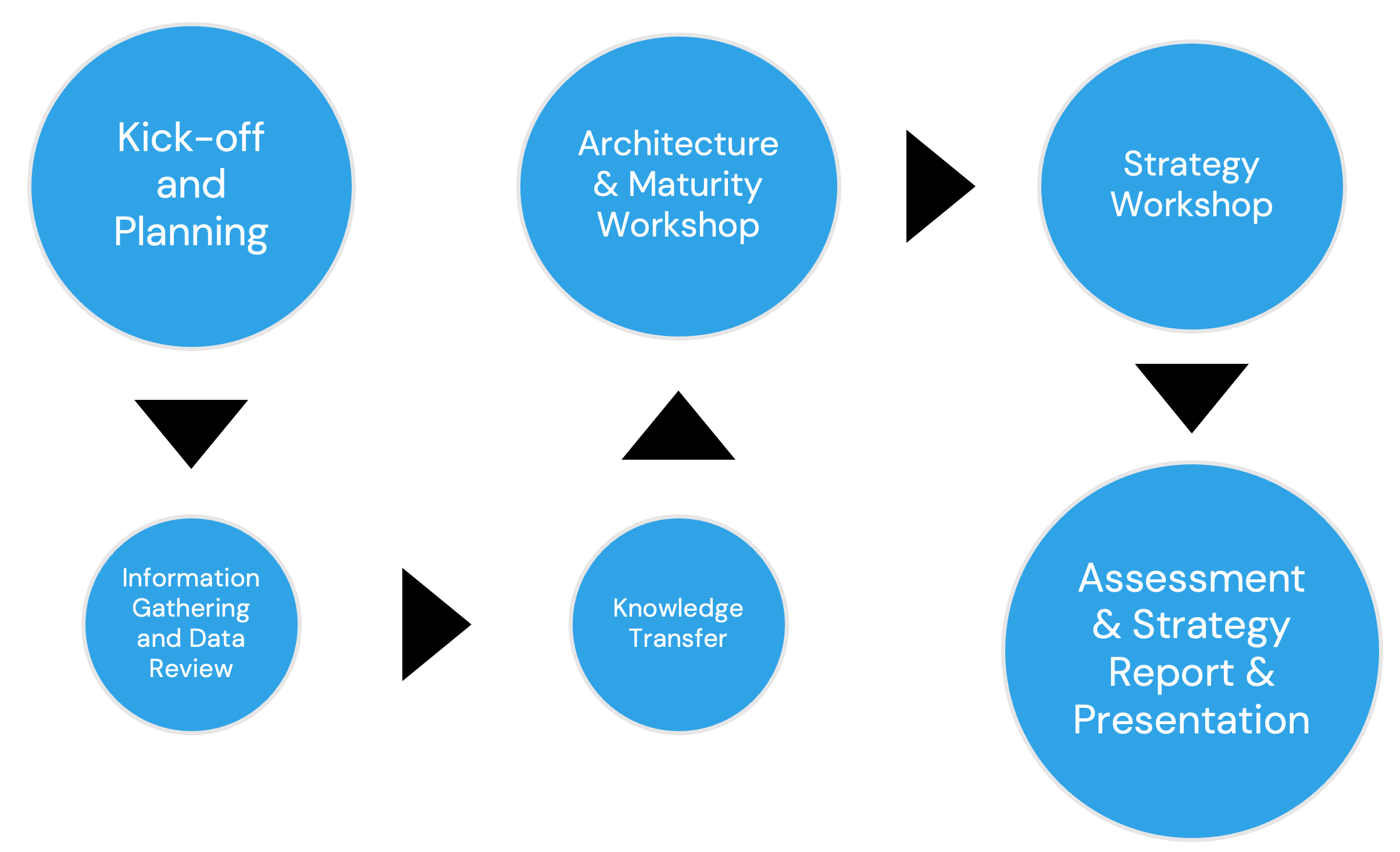
The domains we assess, the principles we hold every design to, and the methodology behind a ModernCyber Zero Trust Assessment.
Where is your zero trust maturity today?
Our Zero Trust Assessment benchmarks your environment against CISA and NIST models and gives you a prioritized roadmap — delivered by the engineers who wrote this knowledge base.