
Tagged:
Deep technical guidance on Cisco Security, zero trust, and the MoCy Platform — from the engineers who build and run it.
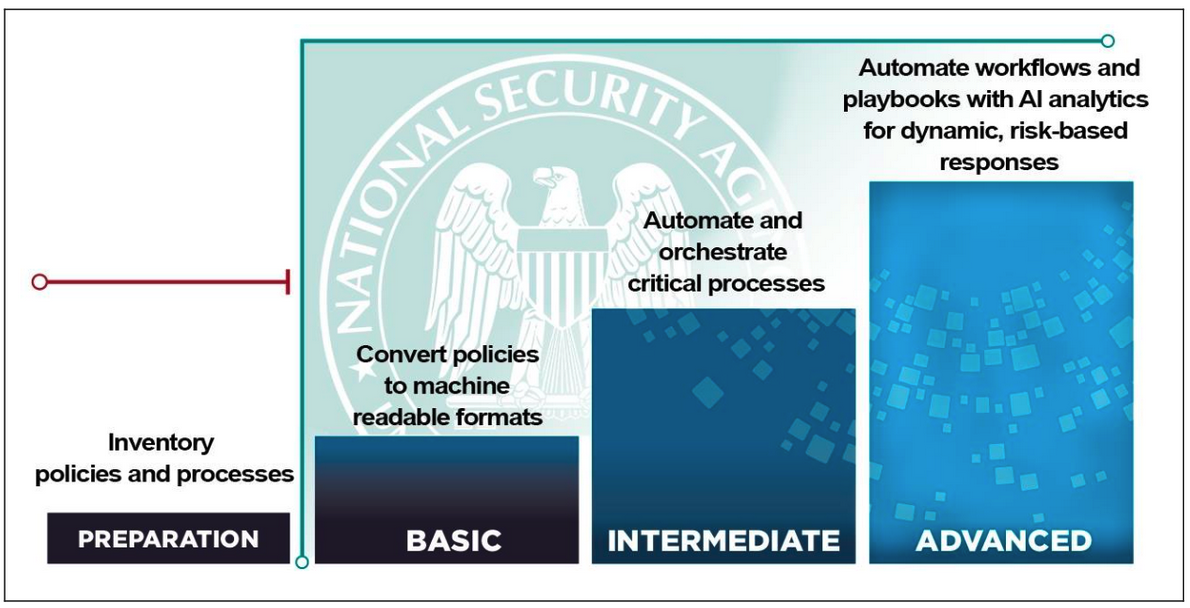
Advancing Zero Trust Maturity: The Automation and Orchestration Pillar
Traditional security models focus their defenses on static, network-based perimeters, and operate under the assumption that everything ...

Seamless Application Access with Duo Passport
Cisco Duo has evolved in to a robust Zero Trust security solution, with features delving way beyond those of an MFA solution. Read on to ...

ZTA for Access Control in Cloud-Native Applications in Multi-Location Environments
In today's digital landscape, security is paramount, especially for cloud-native applications that are distributed across multiple ...

Duo Trust Monitor
Cisco Duo is a comprehensive MFA solution offering beyond basic MFA capabilities with advanced security features, such as Verifying the ...

Security Services Edge - A Solution for the Hybrid Workforce
Hybrid Work remains prevalent within organizations. Coupled with enterprises moving more of their resources to Public Cloud infrastructure ...

Zero Trust Access to Git - Configuring Cisco Duo & GitHub Enterprise
Source code repositories can be the crown jewels of many organizations. For this and many other reasons, it is a higher risk target for ...
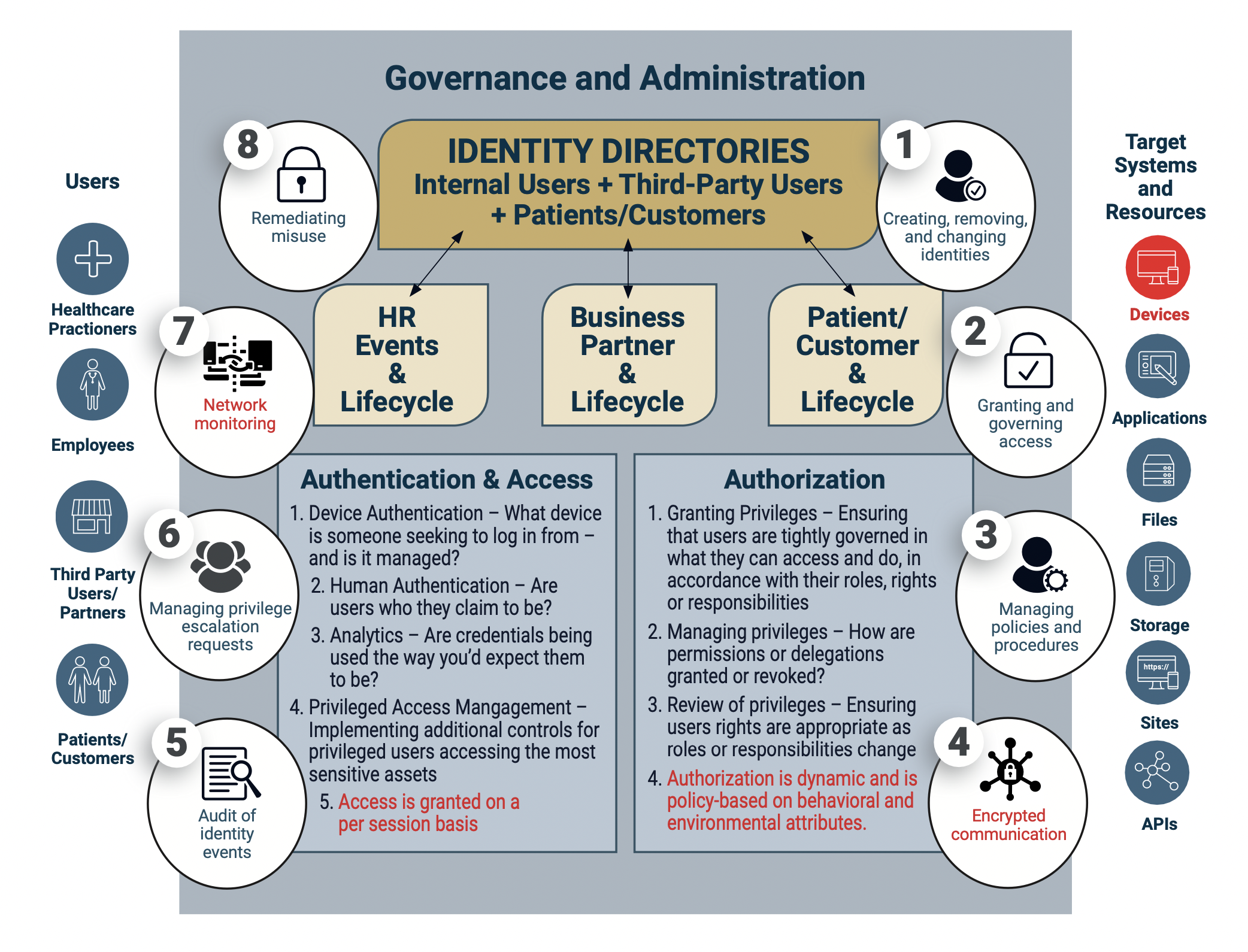
Health-ISAC shares zero trust implementation guide for CISOs
Zero Trust Architecture can increase efficiency for healthcare CISOs, but not without unique challenges. Challenges with adopting a zero ...
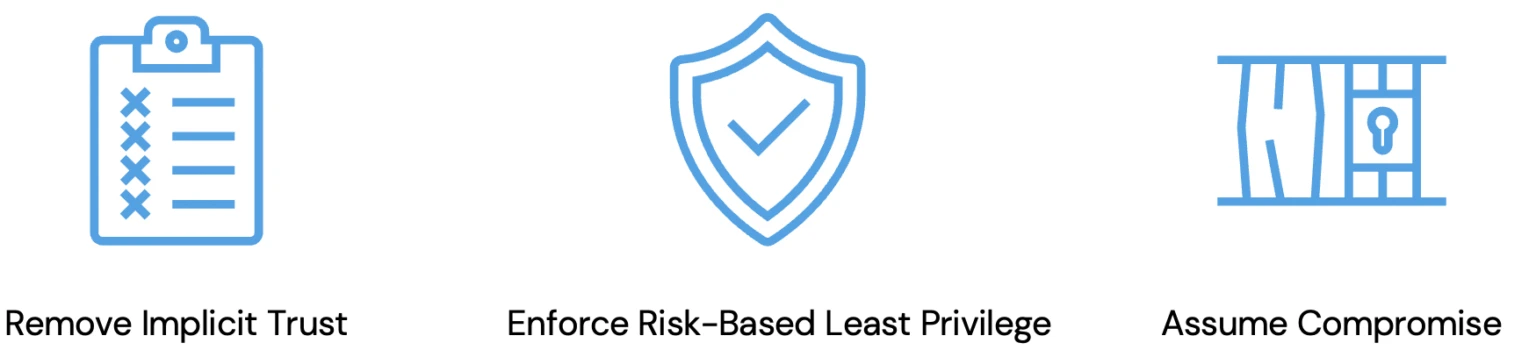
Planning for a Zero Trust Architecture
NIST has recently published Planning for a Zero Trust Architecture: A Planning Guide for Federal Administrators, which can be useful for ...
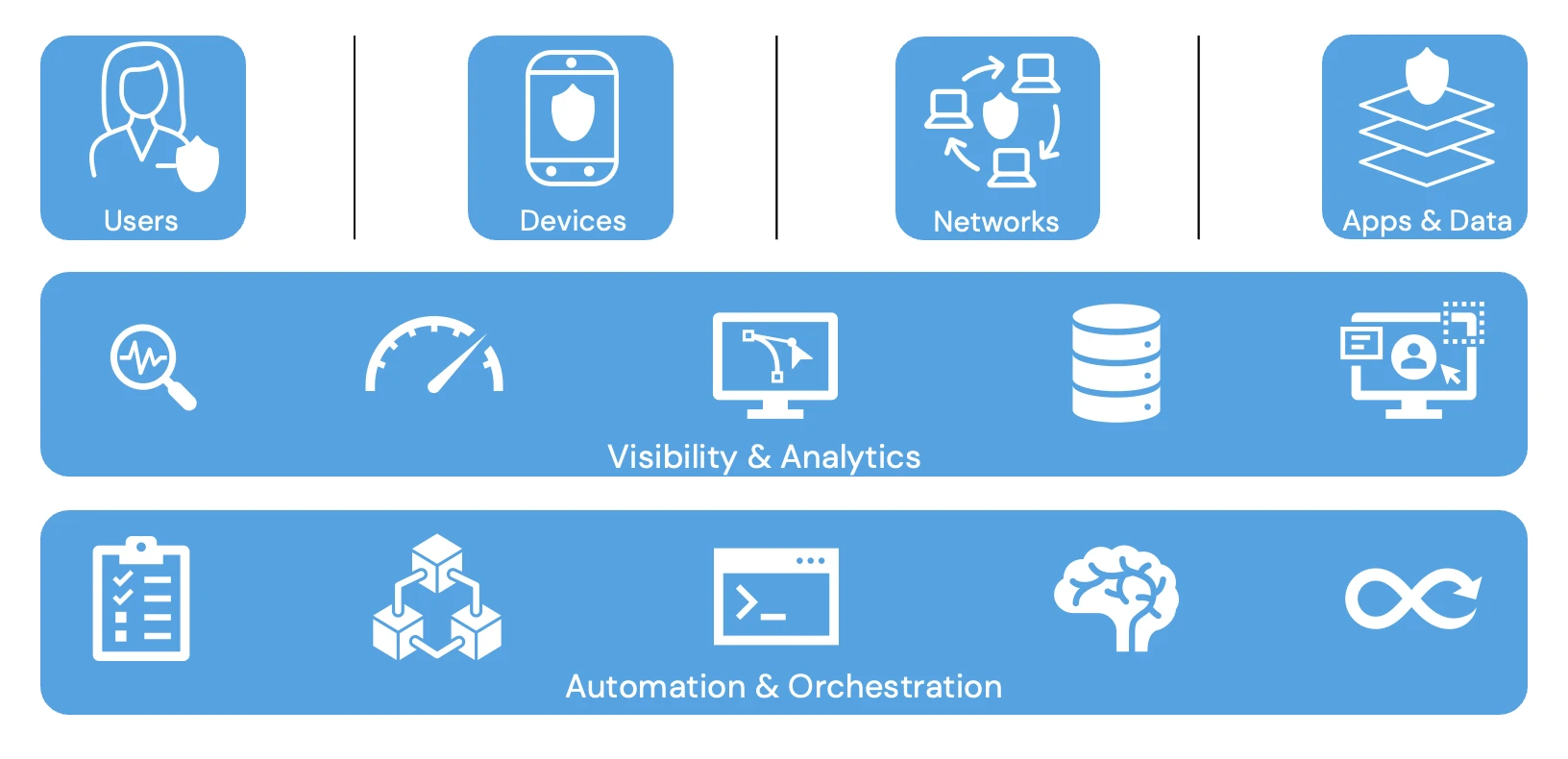
Addressing Risk in Web Security with Zero Trust
The risk of users simply browsing the internet to perform their jobs continues to rise. As organizations increases their reliance on ...
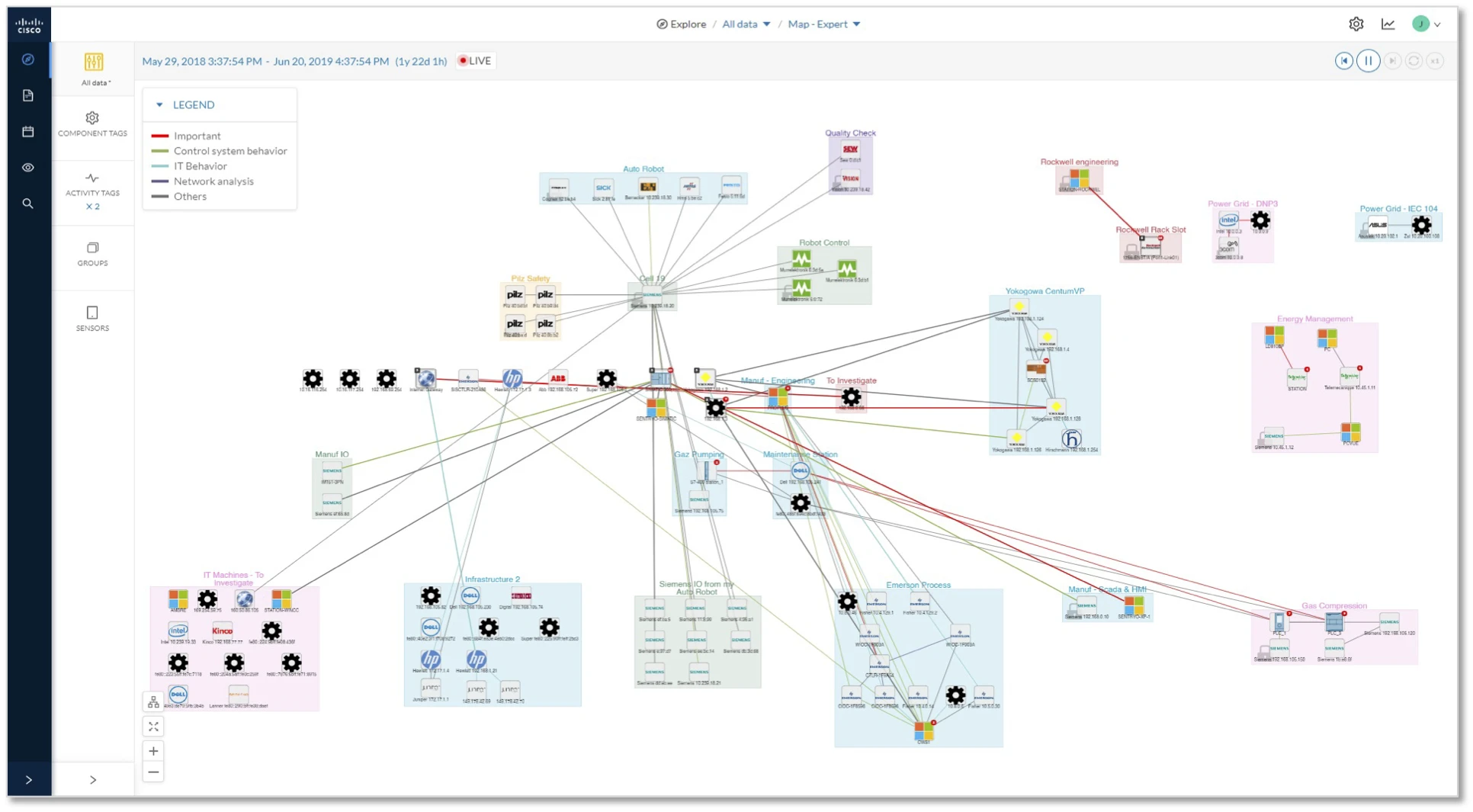
Is OT the best place to start your Zero Trust Journey?
With more than 75% of organizations planning or deploying Zero Trust, the question comes up frequently on where should an organization ...